
Google updates its search algorithms almost every day to give users the best possible results.
These changes can worry marketers because organic search drives over 50% of all website traffic. A single update can affect the quantity and quality of traffic for any business.
Along with small daily changes, Google releases major updates called broad core updates. These are announced via Google Search Central, and they significantly impact how websites rank.
Next, this article explains Google’s 2025 algorithm updates, core changes, and AI features, and how marketers should respond to them.
Google in 2025
The 2024 Google documentation gave marketers insight into Google’s algorithms, but the search world is changing fast.
AI tools like ChatGPT and others are becoming sources for answers. Google now goes beyond indexing websites—it also synthesizes content using AI.
This makes traditional SEO more important than ever. Sites that Google AI trusts usually have:
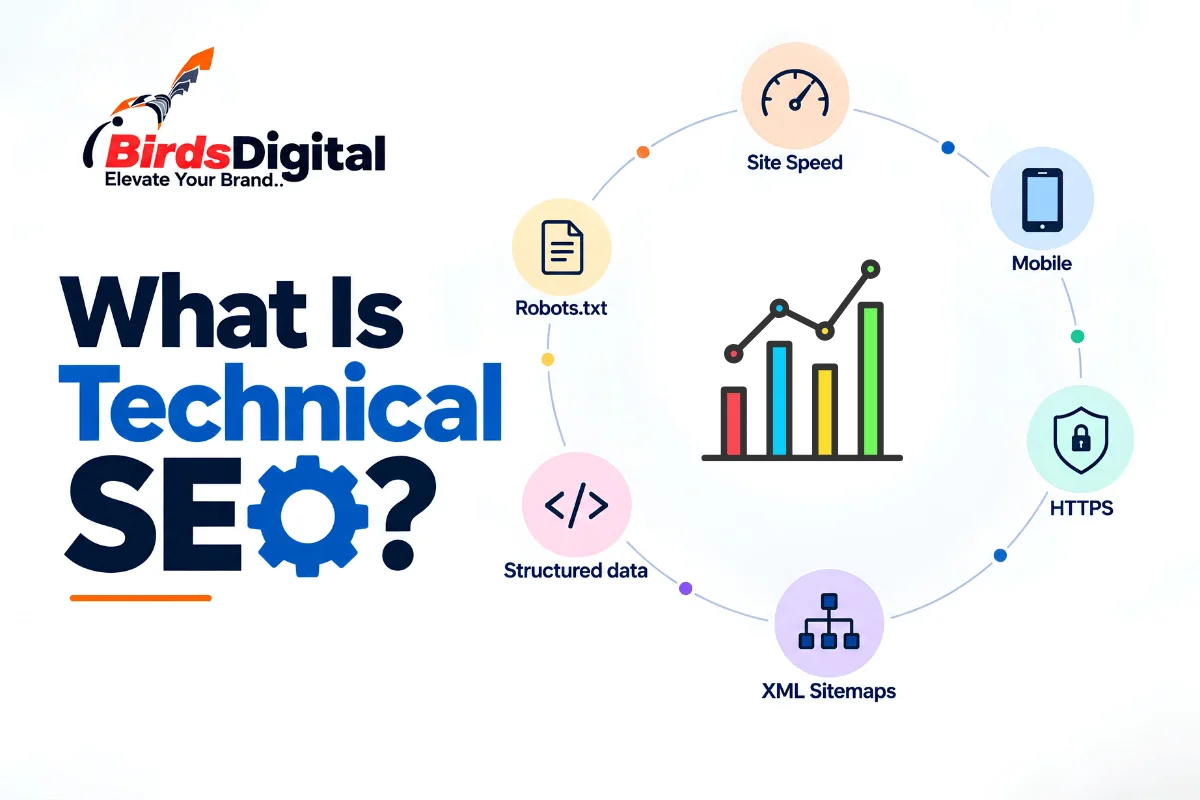
- Strong technical SEO
- Clear expertise
- Comprehensive content
Marketers now need to balance AI-focused content with classic SEO to rank well and be cited by AI systems.
Major Google Algorithm Updates: A Brief History
Panda
Launch: 2011
Panda targeted low-quality content and content farms. Sites with thin content or too many ads lost rankings.
Penguin
Launch: 2012
Penguin focused on spammy SEO techniques, like keyword stuffing and bought backlinks. It now works in real time to maintain search quality.
Hummingbird
Launch: 2013
Hummingbird introduced semantic search to better understand user intent and conversational queries.
RankBrain
Launch: 2015
RankBrain uses machine learning to adjust search results based on user interactions in real time.
Possum
Launch: 2016
Possum improved local search results and gave businesses just outside city limits more visibility.
Mobile-First Index
Launch: 2018
Google started using mobile versions of websites for indexing. Mobile optimization became critical for SEO.
BERT
Launch: 2019
BERT helps Google understand natural language and long, conversational queries, giving marketers new content opportunities.
MUM
Launch: 2021
MUM uses multimodal AI to answer complex queries across languages and formats. This is vital for travel, health, and ecommerce content.
Google Core Updates
Core updates happen several times a year and affect rankings across industries. These updates reward websites with high-quality, relevant content.
May 2020 Core Update
This update emphasized fresh, accurate content, especially important during the pandemic.
June–July 2021 Core Updates
Focused on Page Experience and Core Web Vitals, such as page speed and mobile usability.
March 2023 Core Update
Highlighted firsthand expertise and authority in content, critical for health and finance topics.
August 2024 Core Update
Promoted original, user-first content, helping smaller publishers gain visibility.
November–December 2024 Core Updates
Google improved detection of thin or AI-generated content and fine-tuned ranking adjustments during high-traffic periods.
The AI Transformation: Beyond Algorithm Updates
Google now integrates AI features into search results:
- AI Overviews: Multi-paragraph AI summaries appear on top of search results.
- AI Mode: Users can ask conversational queries, and AI provides detailed responses.
- Zero-Click Searches: Users get answers directly on Google without visiting sites.
Despite AI, quality websites with strong SEO are still critical. Sites must provide clear answers, descriptive headings, and comprehensive content.
How Marketers Should Respond
- Monitor Key Metrics: Track rankings, clicks, and conversions.
- Benchmark Performance: Compare before and after updates.
- Focus on Content Quality: Write in-depth, relevant, and user-first content.
- Adapt SEO Practices: Update technical SEO, Core Web Vitals, and mobile optimization.
By following these steps, marketers can maintain and improve rankings while keeping content aligned with Google’s evolving standards. – iBirds Digital
FAQs
Q1: What is a Google broad core update?
A: It’s a major change in Google’s algorithm affecting many sites. Core updates focus on content quality and relevance.
Q2: How often does Google update its algorithm?
A: Google makes small updates daily and major updates several times a year.
Q3: Do AI features affect SEO?
A: Yes. AI can change how users see results, but strong SEO and quality content remain essential.Q4: How can I prepare for updates?
A: Focus on original content, technical SEO, mobile-friendliness, and user experience.