
What Is Schema Markup?
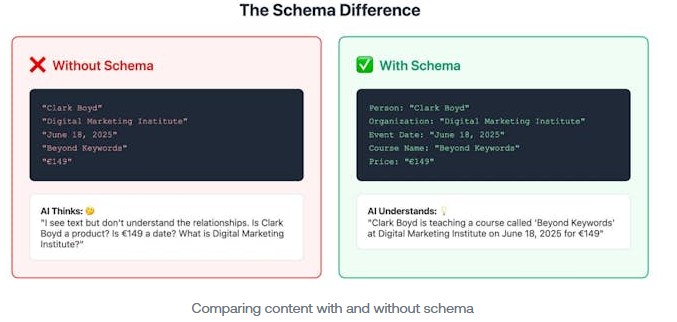
Schema markup is a structured data language that helps search engines understand what your webpage content means, not just what it says. It gives Google additional context about your pages, allowing the search engine to interpret your information accurately and present it in richer, more informative formats. Schema does not replace your written content; it enhances it by making your data machine-readable.
Why Should You Implement Schema Markup?
Schema markup improves the way your webpages appear in search results. When applied correctly, it increases the chances of having rich results, such as product details, ratings, event information, and FAQs. These enhancements often lead to better visibility, higher engagement, and improved click-through rates. While schema does not guarantee top rankings, it supports search engines in understanding your content more clearly, which can positively influence overall performance.

How to Implement Schema
Schema can be added to websites in several ways depending on your setup. You can use plugins, manually insert code, or generate structured data with online tools. Regardless of the method, the goal is to help search engines identify your content types and display them appropriately. Ensuring accuracy, validation, and consistent updates is essential for effective implementation.
Schema for WordPress Users
WordPress users have the advantage of using plugins that automate most schema tasks. Tools like Rank Math, Yoast SEO, and Schema Pro allow you to select a content type and automatically generate the appropriate structured data for posts, pages, products, or local listings. These plugins simplify the technical process and reduce the chances of errors, making schema accessible to beginners as well.
Schema for Manual Implementation
Manual implementation involves inserting schema code directly into your website’s HTML. This requires familiarity with structured data formats and careful code placement. Though more advanced, manual implementation gives you full control over customization. Developers often choose this method when they need highly specific or custom schema types.
JSON-LD
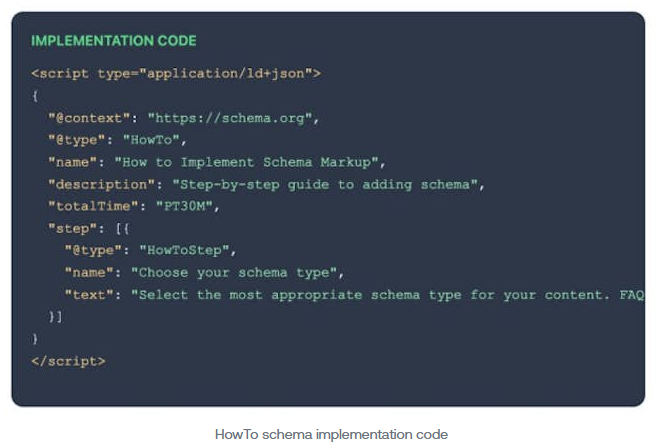
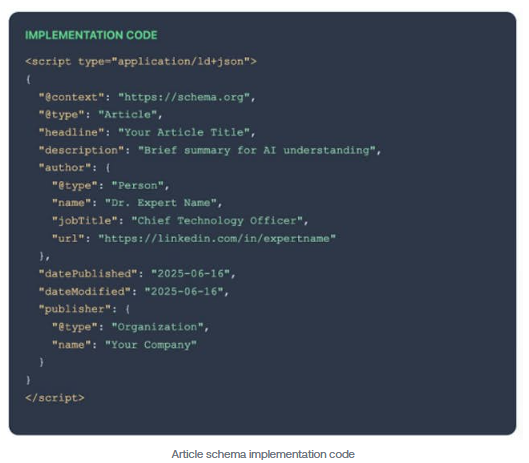
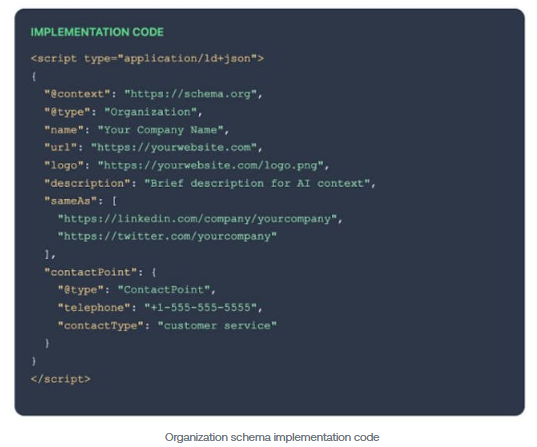
JSON-LD is Google’s preferred format for structured data. It allows you to insert schema as a separate script block without modifying the visible elements of your webpage. JSON-LD keeps your code cleaner and easier to maintain. It can be added in the head or body section, and because it is separate from your content layout, it reduces the risk of formatting issues.
Which Schema Types Matter Most for Marketers?
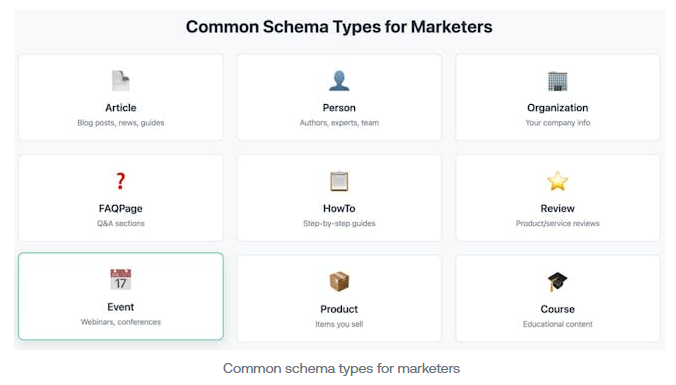
Not all schema types are equally important for marketing. Certain formats can significantly enhance your visibility and engagement. Priority schema types often include organization, product, article, FAQ, how-to, local business, and review schema. These provide practical benefits by helping your content stand out in crowded search results and offering users useful preview information.
Schema for Bloggers
Bloggers benefit greatly from schema that enhances informational content. Article schema helps Google identify the structure of your post, while FAQ or How-To schema can create rich results directly in the search page. This can increase visibility and improve the likelihood of attracting targeted traffic to your blog posts.
Schema for Local Businesses
Local business schema helps Google understand your essential business details such as name, address, phone number, opening hours, and service areas. With proper implementation, your business information becomes more accurate in search results, Google Maps, and local packs. It also supports better visibility for location-based searches.
Common Schema Markup Mistakes

Common mistakes include using incorrect schema types, duplicating structured data, adding conflicting information, or implementing code that does not match the on-page content. Errors can cause Google to ignore your schema or generate warnings in Search Console. Always validate your schema using structured data testing tools to ensure accuracy.
Action Plan
The best approach is to identify the schema types most relevant to your website. Use tools or plugins if you prefer automation, or add JSON-LD manually for more control. Test every page after implementation and update your structured data regularly to reflect any content or business changes. Consistency and accuracy are key to effective results.
What’s Coming Next With Schema?
Schema is continuously evolving as search engines become more sophisticated. New structured data types are introduced over time, improving how content is interpreted and displayed. Staying updated with schema advancements ensures your website continues to meet modern SEO standards and remains competitive.
Voice Search
As voice assistants grow in popularity, schema plays a crucial role in helping search engines deliver precise answers. Structured data increases your chances of appearing in voice search results by making your content more understandable and accessible in conversational formats.
Knowledge Graphs
Schema contributes to the development of knowledge graphs by establishing relationships between different types of data. When your content is accurately represented, search engines can incorporate it into knowledge panels, improving credibility and increasing brand recognition.
Emerging Applications
Structured data is expanding beyond traditional webpages. It is being integrated into e-commerce platforms, product feeds, digital assistants, smart devices, and more. Understanding these emerging applications allows you to prepare your website for new opportunities in search and user experience.
Conclusion
Schema markup is a practical and powerful tool for improving search visibility and content clarity. By helping search engines interpret information more precisely, schema enhances your chances of earning rich results and engaging more users. Whether you use plugins or manual methods, consistent implementation and validation are essential for long-term success. Join iBirds Digital
FAQs for Schema Markup
1. What is Schema Markup and why is it important?
Schema Markup is a type of structured data that helps search engines understand the meaning of your content. It gives Google extra context, increasing the chances of your pages appearing as rich results.
2. Does Schema Markup improve search rankings?
Schema is not a direct ranking factor, but it helps Google understand your content better. This can lead to rich results, higher visibility, and improved click-through rates, which indirectly supports better performance.
3. Which schema types are most useful for SEO?
Some of the most effective schema types include:
- Organization
- Article
- Product
- FAQ
- How-To
- Local Business
- Review
These schemas help your content stand out in search results.
4. Which schema format does Google prefer?
Google prefers JSON-LD because it is easy to add, does not affect your page layout, and is simple to maintain.
5. Can beginners implement Schema Markup easily?
Yes. WordPress users can use plugins like Rank Math, Yoast SEO, or Schema Pro to automatically generate structured data without needing any coding knowledge.
6. What are the most common Schema Markup mistakes?
Common errors include:
- Using the wrong schema type
- Adding conflicting or duplicate data
- Implementing schema that doesn’t match on-page content
- Invalid or incomplete JSON-LD
Always test your schema to avoid these issues.
7. How do I check if my Schema Markup is correct?
Use tools like:
- Google Rich Results Test
- Schema Markup Validator
These tools help you find errors and ensure your structured data is valid.
8. Should bloggers use Schema Markup?
Absolutely. Article, FAQ, and How-To schema help blog posts appear with enhanced results in search, improving visibility and attracting more targeted traffic.
9. How does Schema Markup help local businesses?
Local Business Schema helps Google understand your business details—name, address, phone, hours, and service areas. This improves your visibility in local search and Google Maps.
10. Is manual schema implementation better than using plugins?
Manual implementation offers more control and customization but requires technical knowledge. Plugins are easier for beginners and reduce the chances of errors.
11. How often should Schema Markup be updated?
You should update your schema whenever your page content, prices, opening hours, or business details change to ensure Google always reads accurate information.
12. How does Schema Markup improve voice search results?
Schema helps search engines understand content structure, making it easier for voice assistants to extract accurate answers for voice queries.
13. What is the future of Schema Markup?
Schema is expanding with new data types, better support for e-commerce, integration with knowledge graphs, and wider use across digital assistants and smart devices.
14. Can Schema Markup help with Knowledge Graph visibility?
Yes. Accurate structured data helps Google understand relationships between your information, increasing the chances of appearing in Knowledge Panels.