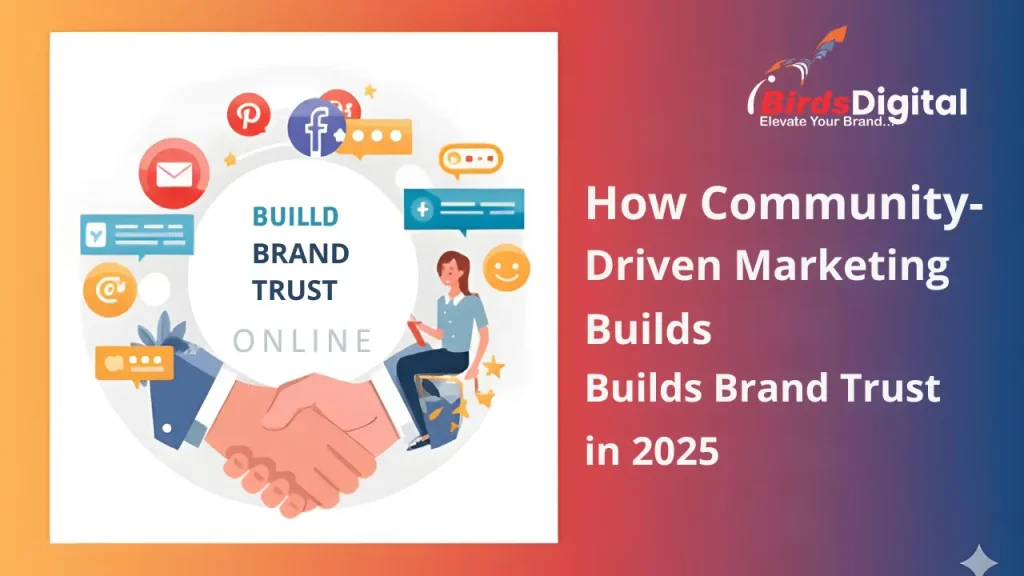
The digital landscape has transformed the way marketing works. It is no longer limited to selling — it focuses on building connections. Traditional advertisements create awareness but rarely establish lasting relationships. Audiences now seek meaning, belonging, and authenticity.
Community-driven marketing plays a central role in this shift. By emphasizing collaboration and conversation instead of one-way promotion, brands gain trust, credibility, and long-term loyalty. Community-focused engagement has become a key foundation for sustainable brand growth.
What Is Community-Driven Marketing?
Community-driven marketing is a strategy centered on people and participation instead of products. It promotes two-way interaction between brands and audiences. Within such communities, members exchange experiences, share feedback, and help each other find solutions. The brand acts as a facilitator rather than a traditional advertiser.
Instead of dictating what audiences should believe, the brand creates open spaces for dialogue, allowing customers to define the experience collectively.
When individuals share success stories about using a product within an online group, others naturally develop trust in that brand. This shared experience results in deeper, organic promotion.
Why It Matters in 2025
Marketing practices continue to evolve due to changing algorithms, strict privacy standards, and growing skepticism toward paid advertising. People value genuine peer interaction over brand-controlled messages.
Community-led marketing addresses these challenges by building trust through real human connections.
Key reasons it matters:
- Consumers rely on communities for authentic and unbiased feedback.
- Social proof from peers is more influential than paid ads.
- Genuine discussions encourage emotional connection.
- Brands gather valuable insights directly from their audiences.
Community trust has become one of the strongest assets for modern marketing.
Core Elements of a Strong Brand Community
A thriving brand community requires clarity, authenticity, and participation. The following elements define high-performing communities:
- Shared Purpose
Members unite around a meaningful goal beyond the brand itself, such as productivity, creativity, or well-being. - Open Communication
Transparent discussions allow every voice to be heard and valued. - Empowerment
Encouraging user-generated content and peer support gives members a sense of ownership. - Consistency
Regular updates, conversations, and recognition sustain engagement and encourage participation. - Accessibility
Communities grow when they remain inclusive, easy to join, and open to diverse perspectives.
Examples of Effective Community-Driven Brands
Salesforce Trailblazer Community
A global network connecting millions of Salesforce users who collaborate, ask questions, and share solutions. Members exchange knowledge, while Salesforce benefits from collective feedback.
LOGO Ideas
Fans submit creative models, vote on designs, and influence official product releases. This approach transforms customers into creators.
Notion Community
Forums and creator hubs where users share templates and workflows. The brand listens closely to feedback and integrates community-driven improvements.
Figma Community
Designers present projects and plugins, promoting open collaboration. This culture of sharing has made Figma one of the most respected design tools worldwide.
These examples show that genuine engagement strengthens advocacy and reliability over time.
How Communities Build Brand Trust
Trust develops when people observe consistency, transparency, and appreciation. Community-driven marketing reinforces trust in several ways:
- Transparency
Open communication and visible brand responses reflect honesty. - Authenticity
Real discussions make the brand approachable and relatable. - Shared Value
Brands contribute insights and resources that create mutual benefits. - Peer Validation
Feedback from real users holds more weight than traditional advertisements. - Two-Way Dialogue
Acknowledging and implementing feedback enhances credibility and connection.
Benefits of Community-Driven Marketing
Community-focused marketing delivers long-term outcomes beyond short-term conversions:
- Enhanced Loyalty: Members form lasting emotional bonds with the brand.
- Cost-Effective Awareness: Word-of-mouth expands naturally through community discussions.
- Organic Insights: Brands gain a clearer understanding of audience needs.
- Improved Retention: Engaged members remain loyal over time.
- Reputation Building: Transparency and authenticity attract new participants.
Brand equity is now shaped more by community perception than by traditional campaigns.
Steps to Build a Strong Community in 2025
Building a brand community requires patience and a structured approach.
- Identify Purpose
Define why people would want to join beyond product interest. A strong purpose creates alignment. - Select an Appropriate Platform
Choose platforms where the target audience is already active, such as LinkedIn, Slack, Reddit, or Discord. - Create Value-Focused Content
Share information that helps members solve real challenges or improve skills. - Encourage Interaction
Ask questions, conduct polls, and highlight member contributions to drive participation. - Recognize Contributions
Acknowledging active members fosters pride and involvement. - Monitor and Adapt
Review engagement data and feedback to refine the strategy consistently.
The Link Between Community and Brand Growth
Digital behavior data in 2025 shows that active communities directly influence brand performance. Involved members increase engagement, reduce customer churn, and enhance positive brand sentiment.
Brands with strong communities often experience:
- 45% higher retention rates
- 60% lower customer acquisition costs
- 3x stronger brand recall
Community-driven marketing serves as both a relationship-building and business growth mechanism.
Challenges in Managing a Brand Community
While effective, community management includes several challenges:
- Handling criticism constructively
- Sustaining engagement during slow activity periods
- Preventing over-promotion that reduces trust
- Balancing freedom and structure in discussions
A clear communication policy and consistent moderation help maintain a respectful environment.
Future of Community Marketing Beyond 2025
As digital ecosystems expand, communities will integrate with technology such as AI personalization and data-based sentiment analysis. Brands will continue using insights from community interactions to improve products, content, and support experiences.
The community model is evolving from being a marketing technique to becoming the very identity of a brand.
Conclusion
Community-driven marketing transforms how brands earn trust and relevance. It shifts focus from one-way promotion to meaningful, sustained connection.
Audiences now participate in brands rather than simply follow them. By building spaces for collaboration, feedback, and shared growth, organizations strengthen relationships that last – iBirds Digital.
Brands that emphasize people over promotion achieve stability, credibility, and genuine success in a constantly changing digital environment.
FAQs
1. What makes community-driven marketing effective?
It encourages engagement, collaboration, and shared purpose instead of one-way advertising.
2. Is this approach suitable for small brands?
Yes. Even small or local businesses can create communities through niche platforms and consistent interaction.
3. How does it improve brand credibility?
Through transparency, peer validation, and open dialogue with participants.
4. What type of content works best for communities?
Informative posts, discussions, tutorials, and interactive polls that promote participation.5. Can community marketing replace paid campaigns?
It complements them. Paid efforts enhance visibility, while communities maintain trust and long-term relationships.