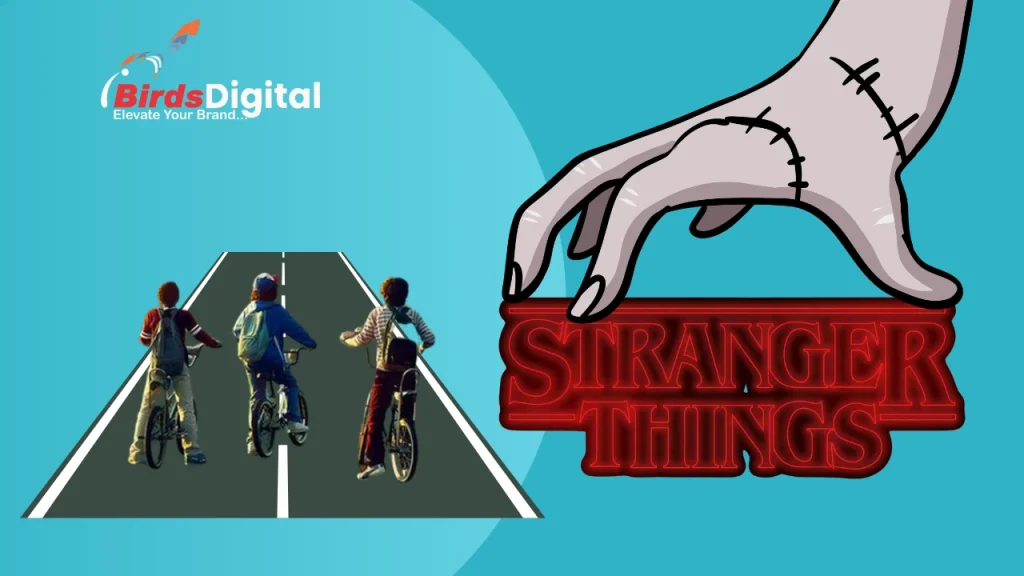
How Entertainment Marketing Shows Turn Branding ‘Upside Down’
Entertainment Marketing shows today are more than just stories—they are full-fledged marketing ecosystems. A mix of compelling narratives, nostalgic elements, and carefully positioned product placements has transformed many shows into global pop culture icons. What started as simple storylines now influences marketing, branding, and social media engagement across industries.
The alternate worlds created within these shows have become playgrounds for brands eager to reach loyal fanbases and expanding digital audiences.
As shows gain momentum, their impact extends beyond traditional viewership. Each new season sparks fan engagement, viral trends, and cross-industry collaborations.
The latest seasons introduce immersive brand partnerships spanning retail, food and beverage, fashion, gaming, and lifestyle products.

To understand how these shows influence branding, let’s explore the evolution of entertainment marketing, examples of successful collaborations, and key takeaways for marketers.
How Entertainment Universes Have Evolved
Popular shows launched in the last decade have quickly become social phenomena. From millions of initial viewers to highly engaged global fan communities, the audience has expanded with each season. Social media platforms like Instagram, TikTok, X, and Reddit now serve as hubs for fans to discuss episodes, create memes, and share fan art, including AI-assisted creations.
This constant engagement keeps shows relevant across multiple platforms and opens doors for innovative brand partnerships directly tapping into this fan energy.
How Brand Collaborations Boost Engagement
Strategic brand partnerships have been present since the early seasons of major shows. By integrating products organically into storylines, shows create authentic marketing opportunities. Unlike traditional advertising, these collaborations offer value while strengthening brand storytelling.
Digital campaigns and social media strategies amplifying these partnerships further expand brand reach.
Some notable examples include:
Coca-Cola

In shows with retro or nostalgic elements, beverage brands like Coca-Cola capitalize on their classic products. By revisiting iconic flavors or packaging styles from past decades, they resonate with both older fans and newer audiences. Limited-edition releases tied to episodes generate social media buzz and tangible engagement, providing brands with measurable marketing ROI.
Burger Chains
Fast-food collaborations often appear directly within scenes, providing visual product placements while creating interactive campaigns outside the show. Seasonal or limited-edition items inspired by the show, combined with social media promotions, encourage fans to engage both online and offline.
Snack Brands

Snack brands, like chips or candies, embrace interactive packaging or AR experiences. Fans can scan products to access exclusive digital content tied to the storyline, enhancing the sense of immersion while boosting brand visibility.
Fashion & Footwear

Fashion collaborations capitalize on characters’ styles or period-specific wardrobe elements. Sneakers, apparel, and accessories featured on-screen can be translated into official collections, appealing to millennial and Gen Z audiences. Social campaigns often accompany these collections, creating excitement around product drops.
Retail & Lifestyle Brands

Retail chains leverage the popularity of shows by launching season-long collaborations. Exclusive merchandise, in-store fan zones, and multi-season activations transform ordinary shopping experiences into immersive fandom interactions.
Toy & Gaming Collaborations

Brands like LEGO or tabletop game companies release collectible character sets or themed editions aligned with the show’s story world. These partnerships provide tangible ways for fans to engage with their favorite characters while promoting cross-generational appeal. Social media campaigns amplify reach, generating hype and sustained engagement.
The Future of Entertainment Marketing
Entertainment-driven branding continues to set benchmarks for culture, commerce, and consumer engagement. Successful campaigns show how to:
- Build authentic partnerships aligned with storylines
- Use nostalgia carefully to resonate with audiences
- Expand narratives through products, packaging, and experiences
- Leverage interactive tools like AR, digital quests, or exclusive online content
- Offer tangible touchpoints, from merchandise to experiential activations
- Engage communities through social media trends and fan-driven content
- Strategically extend campaigns with pre-season teasers, mid-season highlights, and post-season collectables
What Marketers Can Learn
- Authenticity Matters – Collaborations must feel natural within the show’s narrative.
- Nostalgia Works – Use retro elements strategically for emotional resonance.
- Extend Storytelling – Merchandise, packaging, and interactive experiences deepen engagement.
- Digital Integration – AR, social media, and fan-driven campaigns maximize reach.
- Community Engagement – Foster fan participation through platforms like TikTok, Instagram, X, and Reddit.
- Long-Term Buzz – Plan campaigns across all phases: pre-launch, mid-season, and post-release.
iBirds Digital remains committed to helping brands navigate entertainment-driven marketing strategies, creating campaigns that resonate with audiences while maximizing engagement and ROI.
Follow us on social media to see the latest updates and case studies on successful entertainment marketing campaigns.
AQs
Q1: What are the key digital marketing trends in 2025?
A: Key trends include AI-driven content, interactive campaigns, influencer collaborations, and social media strategies to boost engagement.
Q2: How can brands use collaborations effectively in 2025?
A: Collaborations should align with brand story and audience interests, creating authentic engagement across social media and other channels.
Q3: Why is nostalgia marketing important for campaigns?
A: Nostalgia marketing creates emotional connections, helping campaigns stand out and resonate with audiences across demographics.
Q4: How do interactive campaigns improve audience participation?
A: AR features, gamification, and interactive content keep users actively engaged, increasing brand recall and campaign effectiveness.
Q5: Can traditional brands benefit from 2025 digital marketing trends?
A: Yes, even traditional brands like LEGO or Dungeons & Dragons can engage audiences through digital campaigns and social media strategies.