Digital accessibility is more than just a concept. It is a legal requirement, a reputation safeguard, and a proven driver of business growth. It directly influences how users perceive your brand, how they interact with your digital platforms, and how effectively your online presence performs across search, usability, and conversions.
With the introduction of the European Accessibility Act (EAA) in June 2025, the need for accessibility compliance has become urgent. Despite this, many organisations still lack clarity around the scope of the regulation and how to begin their compliance journey, often delaying action due to uncertainty rather than intent.The language of digital accessibility regulations, WCAG compliance, and assistive technologies can feel complex. When combined with everyday operational priorities, accessibility is often pushed aside. However, accessibility affects everyone, not just a limited user group.
Why Is Digital Accessibility So Important?
Digital accessibility promotes inclusion by ensuring equal access to information and digital services for people with disabilities. At the same time, it improves design and usability in ways that allow all users to engage with and benefit from digital content more easily.

Accessibility does not only support people with permanent disabilities. It also improves experiences for:
Mobile users
People using slow or unstable internet connections
Users in noisy or distracting environments
Individuals with temporary injuries or those multitasking
Ultimately, accessibility may be essential for some users, but it makes digital experiences usable for everyone.
Digital accessibility is also not limited to compliance. It directly impacts two core areas of business performance: reputation and conversions.
Reputation
A brand’s digital experience should include everyone. When websites or applications are inaccessible, users are effectively prevented from accessing products or services, which quickly damages trust and credibility.
Users with accessibility needs, whether permanent, temporary, or situational, are more likely to abandon inaccessible platforms and choose alternatives that offer inclusive experiences. In an environment where feedback spreads quickly online, negative experiences related to accessibility can harm brand perception at scale.
Conversions
Accessibility is not simply a design consideration. It is a measurable revenue driver. When digital content is inaccessible, organisations reduce their potential audience and limit conversion opportunities.
Several indicators highlight this impact. Older adults represent one of the fastest-growing online audiences, nearly one in four adults lives with a disability, and the global disability community represents significant spending power.
Brands that prioritise digital accessibility often report higher customer satisfaction, broader market reach, stronger SEO performance, and improved long-term retention. Inaccessible websites also affect procurement and partnerships, as accessibility requirements are increasingly embedded in vendor selection processes.
The Digital Accessibility Regulation Landscape
The European Accessibility Act (EAA) is only one part of a wider and expanding regulatory environment. Accessibility regulations are being enforced more strictly across global markets, limiting access for organisations that fail to meet required standards.
In addition to European legislation, countries such as the United States and several regions across Europe continue to strengthen enforcement, increasing legal and commercial pressure on non-compliant organisations.
Web Content Accessibility Guidelines (WCAG)
The Web Content Accessibility Guidelines (WCAG) are internationally recognised standards created to ensure digital content is accessible to people with disabilities. These guidelines explain how websites, mobile applications, and digital documents should be designed so users with visual, auditory, cognitive, motor, or neurological impairments can perceive, understand, and interact with content effectively.
WCAG guidelines are structured around four core principles, known as POUR. Content must be perceivable, operable, understandable, and robust. These principles are supported by testable success criteria across different conformance levels, including A, AA, and AAA.
Beyond compliance, WCAG compliance improves overall usability, enhances search engine optimization (SEO), expands audience reach, reduces legal risk, and contributes to more inclusive digital environments.
Americans with Disabilities Act (ADA)
Outside Europe, accessibility regulation continues to evolve. In the United States, the Americans with Disabilities Act (ADA) governs accessibility across websites, mobile applications, and digital tools used by both public and private sector organisations.
Legal action related to digital accessibility continues to increase, making compliance a critical part of risk management for organisations operating in or targeting the US market.
European Accessibility Act (EAA)
The European Accessibility Act (EAA) applies to a wide range of products and services, including ecommerce platforms, banking services, communication tools, transport services, and customer-facing digital services.
The Act applies to any organisation that offers products or services within the European Union, regardless of business location. It mandates adherence to recognised accessibility standards and applies equally to manufacturers, service providers, and distributors.
Enforcement approaches vary across countries, with some regions applying stricter penalties and higher fines for non-compliance.
Adhering to the European Accessibility Act
The European Accessibility Act entered into application in 2025. Organisations must ensure that all covered digital products and services meet the accessibility standards defined by the Act.
While transitional allowances may apply to legacy systems, any change to a product’s codebase, including minor updates, removes this exemption and requires full EAA compliance. Accessibility overlay tools do not meet regulatory expectations and do not resolve underlying accessibility issues.
What Is the Cost of Non-Compliance?
Building accessible digital products from the outset is significantly more cost-effective than addressing accessibility issues after launch. Retrofitting accessibility often involves extensive redesign, redevelopment, and repeated testing.

Under digital accessibility regulations, non-compliance may result in financial penalties, legal action, reputational damage, and loss of commercial opportunities. Public feedback and negative user experiences can further amplify long-term brand damage.
How to Become Accessibility-Compliant
The positive aspect of accessibility is that organisations can start small and make steady progress.
The process begins with understanding the current state of digital assets through accessibility audits that combine automated scanning with manual testing. Once issues are identified, prioritisation focuses on high-impact improvements such as structure, contrast, labels, semantic code, and assistive technology compatibility.
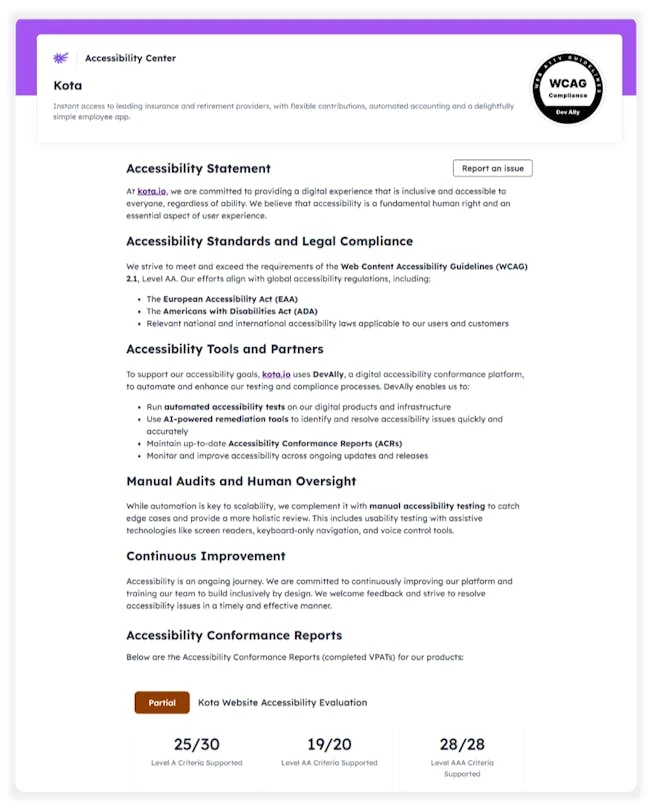
Publishing an accessibility statement demonstrates transparency and accountability, while continuous monitoring ensures that accessibility remains embedded within ongoing development and content updates.
FAQs About Digital Accessibility
Do small organisations need to comply with the European Accessibility Act?
In many cases, smaller organisations may be exempt from certain requirements based on size or revenue. However, maintaining basic accessibility practices and publishing an accessibility statement is strongly recommended.
How does digital accessibility influence SEO?
Accessible websites are easier for search engines to crawl, better structured, faster to load, and more mobile-friendly, which contributes to improved SEO performance.
How can organisations gather feedback from users with accessibility needs?
Providing clear and accessible communication channels such as email, phone, chat, and feedback forms encourages users to report issues and supports continuous improvement.
Final Thoughts
Digital accessibility is not simply a regulatory requirement. It is a strategic approach to building better digital products, strengthening brand trust, increasing conversions, and expanding market reach.
By iBirds Digital starting early, remaining consistent, and prioritising real-world usability, organisations can create inclusive, compliant, and sustainable digital experiences.