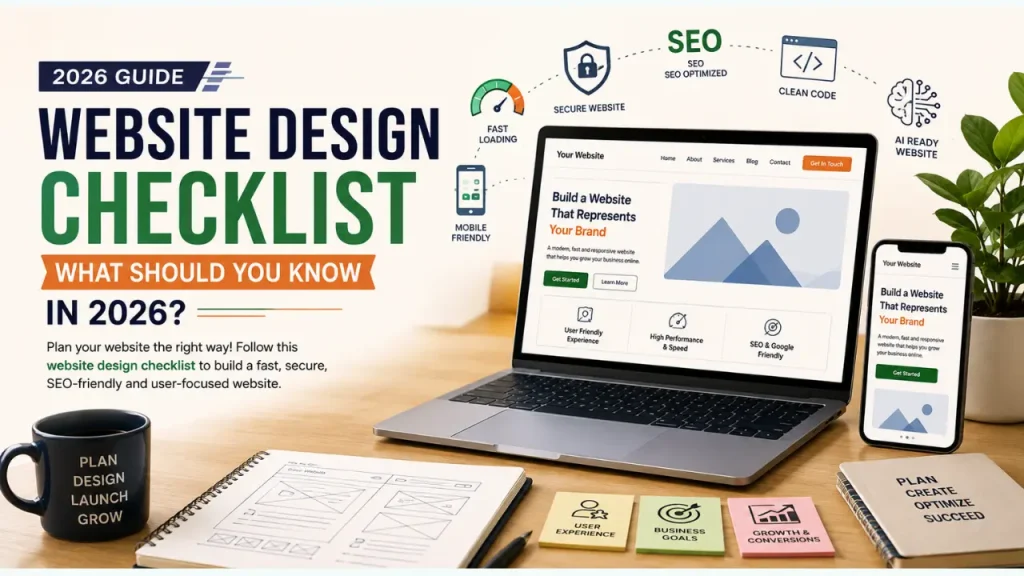

A professional website is no longer just an online presence. It has become one of the most valuable business assets for attracting customers, building trust, generating leads, and increasing sales. Whether you own a startup, local business, eCommerce store, or enterprise company, your website directly influences how potential customers perceive your brand.
In 2026, website design is about much more than visual appearance. Search engines now evaluate websites based on user experience, page speed, mobile performance, accessibility, technical SEO, and content quality. AI-powered search experiences have also changed how users discover businesses online, making it essential to build websites that serve both people and search engines.
Before investing in a new website, it is important to understand the planning process. Defining business goals, choosing the right platform, preparing SEO-friendly content, and creating an intuitive user experience all contribute to long-term success. Businesses that work with professional Website Design Services can build websites that support branding, improve search visibility, and deliver better customer experiences from the beginning.
Most Important Things to Consider Before Designing a Website
Planning plays a major role in every successful website project. Many businesses focus on colors, layouts, or animations while overlooking the technical and strategic elements that determine whether a website performs well after launch.
A modern website should support your marketing strategy, provide a smooth browsing experience, load quickly across all devices, and help visitors complete meaningful actions such as making inquiries, requesting quotes, or purchasing products. Every design decision should contribute to these business objectives.
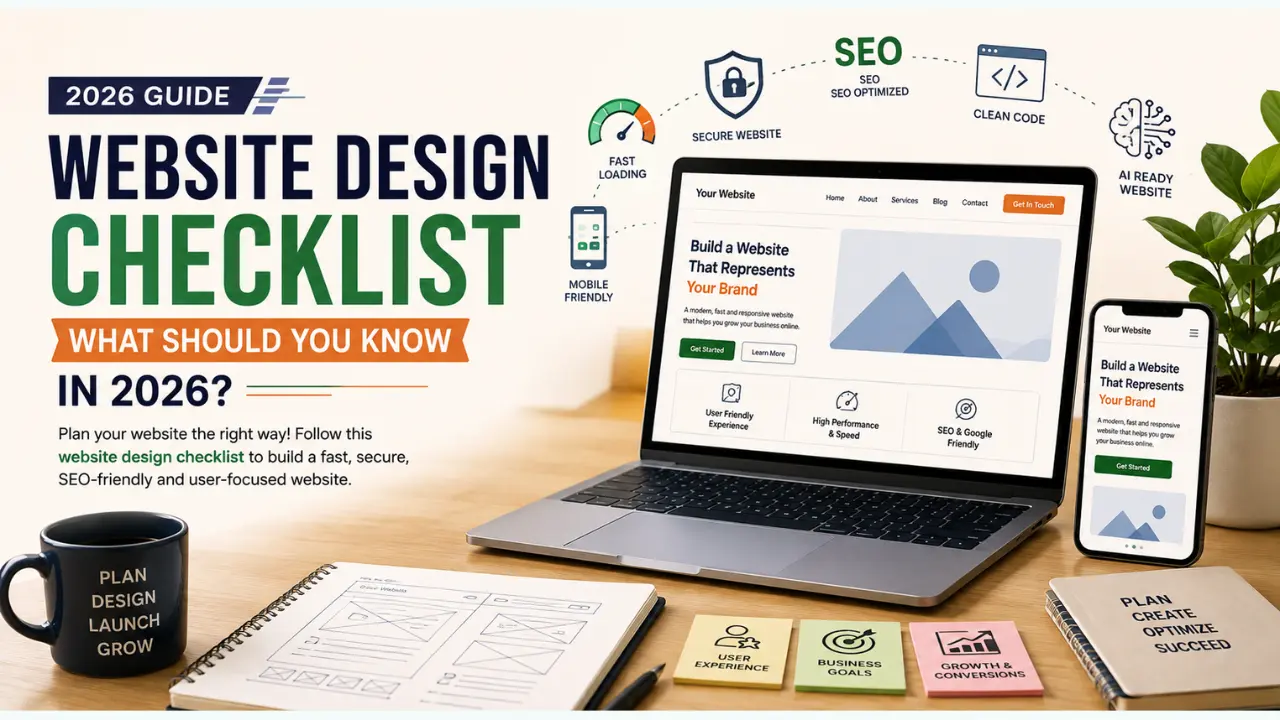
The following website design checklist explains the most important factors every business should review before starting a website project. Following these best practices can reduce future redesign costs, improve search engine performance, and create a website that remains effective as technology continues to evolve.
Before Getting a Website Built

Before starting website development, take time to answer a few important business questions. These decisions will shape your website structure, features, content, and long-term digital marketing strategy.
1. Define Why Your Business Needs a Website
Every website should have a clear purpose. Some businesses need a website to generate leads, while others focus on online sales, customer support, appointment booking, or brand awareness. Understanding your primary objective helps determine the right website structure and functionality.
For example, a service-based company may need enquiry forms, testimonials, and location pages, while an online store requires product catalogs, secure payment gateways, inventory management, and order tracking.
Businesses planning long-term online growth should also consider Website Development Services that support future scalability, security updates, and advanced functionality as business requirements change.
2. Choose the Right Type of Website
Not every business requires the same type of website. Selecting the right platform depends on your products, services, audience, and future expansion plans.
Some common website types include:
- Business websites
- Corporate websites
- eCommerce websites
- Portfolio websites
- Educational websites
- Healthcare websites
- Real estate websites
- Blogging websites
- Landing pages
The right website structure improves user experience and allows future updates without rebuilding the entire website. Businesses planning online selling should choose scalable eCommerce Website Development Services that support secure transactions, inventory management, and multiple payment options.
3. Think About Website Marketing Before Development
Designing a website is only the first step. A website should also be prepared to attract visitors from search engines, social media, local searches, and other digital marketing channels. If marketing is ignored during development, even a well-designed website may struggle to generate traffic and leads.
Google now evaluates websites based on user experience, helpful content, technical SEO, and overall website quality. Building these elements into the website from the beginning saves time and reduces future optimization costs.
Businesses planning long-term online growth should include SEO, content planning, and conversion strategy during development instead of treating them as separate projects later. Working with experienced SEO Services ensures that your website is built with search visibility in mind from day one.
Important Things to Consider Before Getting a Website Designed

1. Website Features
Every business has different requirements, so avoid adding unnecessary features simply because they look attractive. Extra functionality can increase development costs, reduce website speed, and make future maintenance more difficult.
Instead, list the features your business actually needs before development starts.
Some commonly required website features include:
- Contact Forms
- Live Chat
- Appointment Booking
- Payment Gateway
- Product Catalog
- Customer Reviews
- Blog Section
- User Login
- CRM Integration
- WhatsApp Integration
Choosing features based on business goals creates a cleaner website and improves the overall user experience. Businesses needing advanced functionality can benefit from SEO Services Ajmer, where every feature is built according to business requirements.
2. Set a Realistic Budget
Website pricing depends on several factors, including design complexity, number of pages, custom features, integrations, content requirements, and ongoing maintenance.
Rather than selecting the cheapest option, focus on long-term value. A professionally developed website usually performs better, lasts longer, and requires fewer redesigns compared to low-cost template-based solutions.
Your budget should also include:
- Domain registration
- Web hosting
- SSL certificate
- Content writing
- SEO optimization
- Website maintenance
- Security monitoring
- Future upgrades
Planning these costs early helps avoid unexpected expenses after launch.
3. Prepare High-Quality Website Content
Content is one of the most important parts of any website. Visitors use your content to understand your business, while search engines use it to determine relevance for search queries.
Every page should contain original, useful, and well-structured information that answers user questions and supports business objectives.
Important website content includes:
- Homepage
- About Us
- Service Pages
- Product Pages
- Contact Page
- FAQs
- Privacy Policy
- Blog Articles
Content should also include naturally placed keywords, clear headings, internal links, and strong calls to action. Businesses working with Content Marketing Services can create content that supports both user engagement and long-term SEO performance.
4. Build an SEO-Friendly Website
Search engine optimization should begin during website development—not after the website goes live.
A website designed with SEO best practices has a better chance of ranking for relevant searches and attracting qualified visitors.
Some important SEO elements include:
- Clean URL structure
- Proper heading hierarchy
- Meta titles and descriptions
- Internal linking
- XML Sitemap
- Robots.txt
- Schema Markup
- Optimized images
- Canonical URLs
- Fast page loading
Google also considers page experience, content quality, and technical performance when ranking websites. Integrating SEO during development helps avoid major structural changes later.
5. Responsive Design Is Essential
Most users now visit websites through smartphones and tablets. A responsive website automatically adjusts to different screen sizes, providing a consistent browsing experience across all devices.
Responsive design improves:
- User Experience
- Search Rankings
- Mobile Performance
- Conversion Rates
- Accessibility
Google follows mobile-first indexing, making responsive design an essential requirement rather than an optional feature. Businesses choosing Responsive Website Design Services can ensure their websites perform well on desktops, tablets, and mobile devices.
6. Improve Website Speed and Core Web Vitals
Website speed directly affects user satisfaction, search rankings, and conversions.
Visitors expect pages to load within a few seconds. Slow-loading websites often experience higher bounce rates and lower engagement.
Modern websites should focus on:
- Core Web Vitals optimization
- Image compression
- Fast hosting
- Browser caching
- Optimized CSS and JavaScript
- Lazy loading
- CDN implementation
Improving performance creates a better browsing experience while supporting higher search engine visibility.
7. Website Security Should Be a Priority
Website security protects business data, customer information, and brand reputation.
Basic security measures include:
- SSL Certificate (HTTPS)
- Secure Login Protection
- Firewall
- Malware Scanning
- Automatic Backups
- Security Updates
- Strong Password Policies
Search engines also favor secure websites, making HTTPS an essential requirement for every modern business website.
8. Set a Clear Project Timeline
Website projects become delayed when planning is incomplete or requirements continue changing throughout development.
Before development begins, define:
- Project Scope
- Content Delivery Schedule
- Design Approval Timeline
- Development Milestones
- Testing Phase
- Launch Date
A structured timeline helps both the client and development team complete the project efficiently while maintaining quality standards.
9. Plan for Website Maintenance and Future Growth
Launching a website is only the beginning. Regular maintenance keeps your website secure, fast, and compatible with changing technologies. Search engines also prefer websites that are actively maintained and regularly updated.
A website maintenance plan should include:
- Software and CMS updates
- Plugin updates
- Security monitoring
- Regular backups
- Broken link checks
- Performance optimization
- Content updates
- Technical SEO audits
Maintaining your website helps prevent downtime, security issues, and performance problems while improving long-term search visibility. Businesses using Social Media Marketing Services can ensure their websites continue performing efficiently after launch.
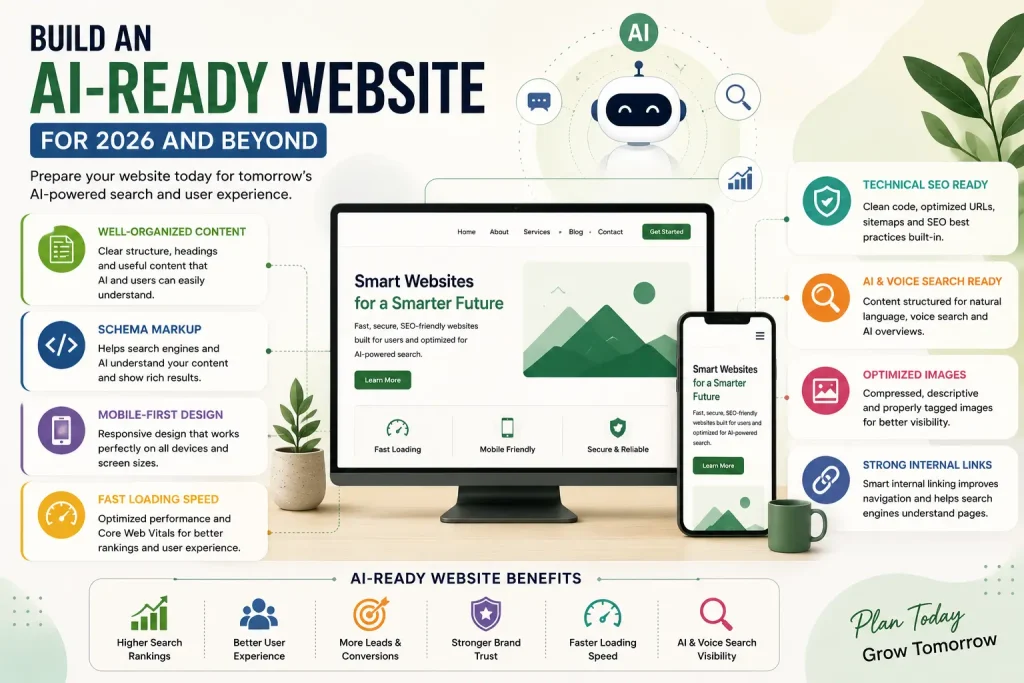
10. Build an AI-Ready Website for 2026 and Beyond
Website design has changed significantly with the growth of AI-powered search experiences. Modern websites should not only look professional but also provide clear, structured, and trustworthy information that both users and search engines can easily understand.
An AI-ready website should include:
- Well-organized content structure
- Fast-loading pages
- Mobile-friendly layouts
- Schema Markup
- Accessible navigation
- Clear service pages
- Helpful FAQs
- Strong internal linking
- Optimized images
- Consistent branding
These elements improve user experience while helping search engines better understand your website. Businesses investing in PPC Services can prepare their websites for evolving search technologies and improve long-term online visibility.
Conclusion
A successful website is built through careful planning rather than attractive design alone. Every decision made before development—from defining business goals and selecting the right website type to preparing SEO-friendly content and improving website performance—contributes to the long-term success of your online presence.
In 2026, businesses should focus on creating websites that combine responsive design, fast loading speeds, strong security, technical SEO, accessibility, and high-quality content. These factors help improve user experience, increase search visibility, and generate better business results.
Following this Website Design Checklist allows businesses to avoid common mistakes, reduce future redevelopment costs, and build a website that supports marketing, customer engagement, and business growth for years to come. Partnering with experienced Digital Marketing Services can further strengthen your website by combining professional design with SEO, content strategy, and online marketing expertise.
iBirds Digital – Internet Marketing Agency
Frequently Asked Questions
1. Why is a website design checklist important before building a website?
A website design checklist helps businesses plan their goals, required features, content, SEO, and user experience before development begins. Proper planning reduces costly changes later and creates a better-performing website.
2. What is the most important factor to consider before designing a website?
The most important factor is defining your business objectives. Knowing whether your website is intended for lead generation, online sales, bookings, or brand awareness helps determine the right design and functionality.
3. Why should SEO be considered before website development?
SEO influences website structure, page URLs, headings, internal linking, page speed, and content organization. Building these elements during development creates a stronger foundation for search engine visibility.
4. Why is responsive website design important in 2026?
Most users browse websites on mobile devices, and Google follows mobile-first indexing. A responsive website provides a consistent experience across desktops, tablets, and smartphones while improving search rankings.
5. How does website speed affect SEO?
Fast-loading websites improve user experience, reduce bounce rates, and support better rankings. Core Web Vitals have become an important factor in evaluating website performance.
6. What features should every business website include?
Most business websites benefit from contact forms, service pages, FAQs, testimonials, secure HTTPS, responsive design, blog functionality, clear navigation, and strong calls to action.
7. How often should a business website be updated?
A website should be reviewed regularly for software updates, security improvements, content updates, performance optimization, and SEO enhancements to maintain reliability and search visibility.
8. Why should businesses choose professional website design services?
Professional website design services help businesses create secure, responsive, SEO-friendly, and user-focused websites that support long-term growth, improve customer experience, and strengthen online visibility.