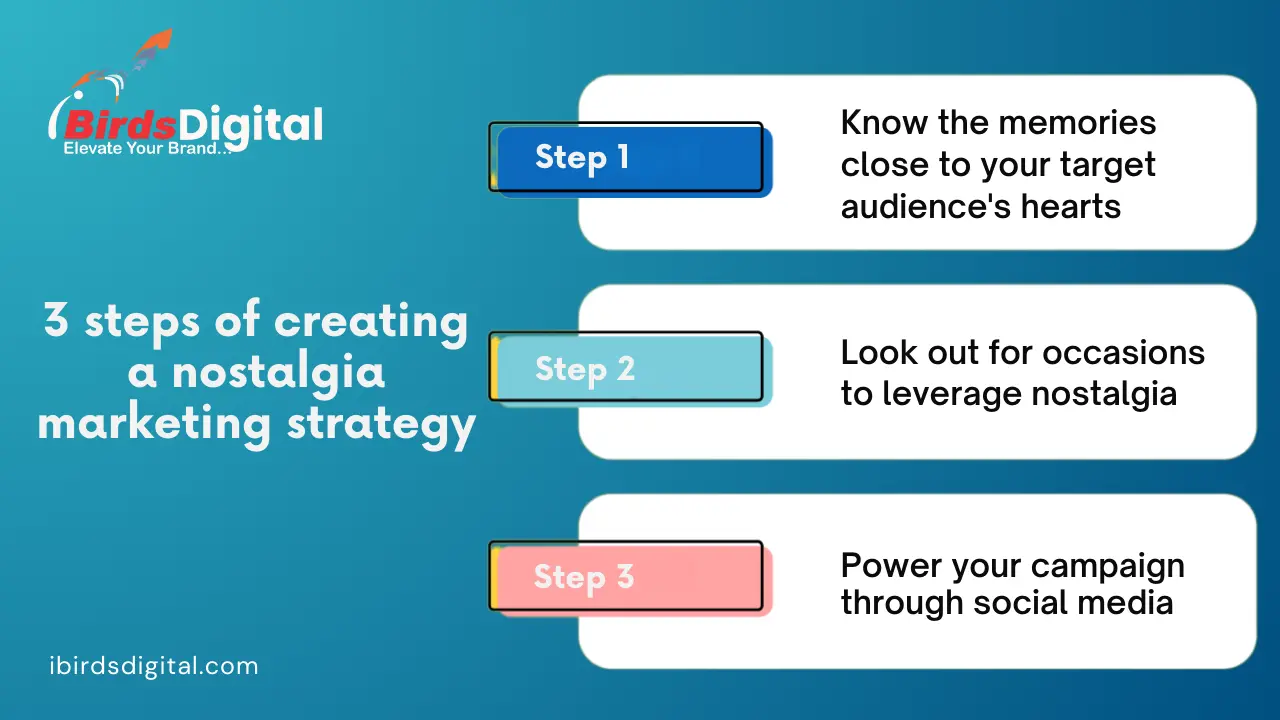
Nostalgia-Driven Marketing and How It Builds Strong Brand Connections
Nostalgia-driven marketing uses familiar memories from the past to build a strong emotional bond between brands and people. This marketing method connects feelings, culture, and shared experiences. People often feel calm and safe when they see or hear things that remind them of earlier times. Brands use this feeling to build trust and long-term relationships.
Nostalgia-driven marketing does not depend on loud messaging or hype. It focuses on memories people already care about. This approach works well during uncertain times when people search for comfort and familiarity. Brands that understand this behavior create campaigns that feel personal and meaningful.
Nostalgia-driven marketing forms a strong part of modern digital marketing strategies used by brands to build trust and long-term audience connection.
Why nostalgia-driven marketing matters right now
Economic pressure, social change, and fast digital shifts create stress for many people. During such moments, familiar memories feel reliable. Nostalgia-driven marketing offers emotional stability and comfort. This makes people more open to brand messages.
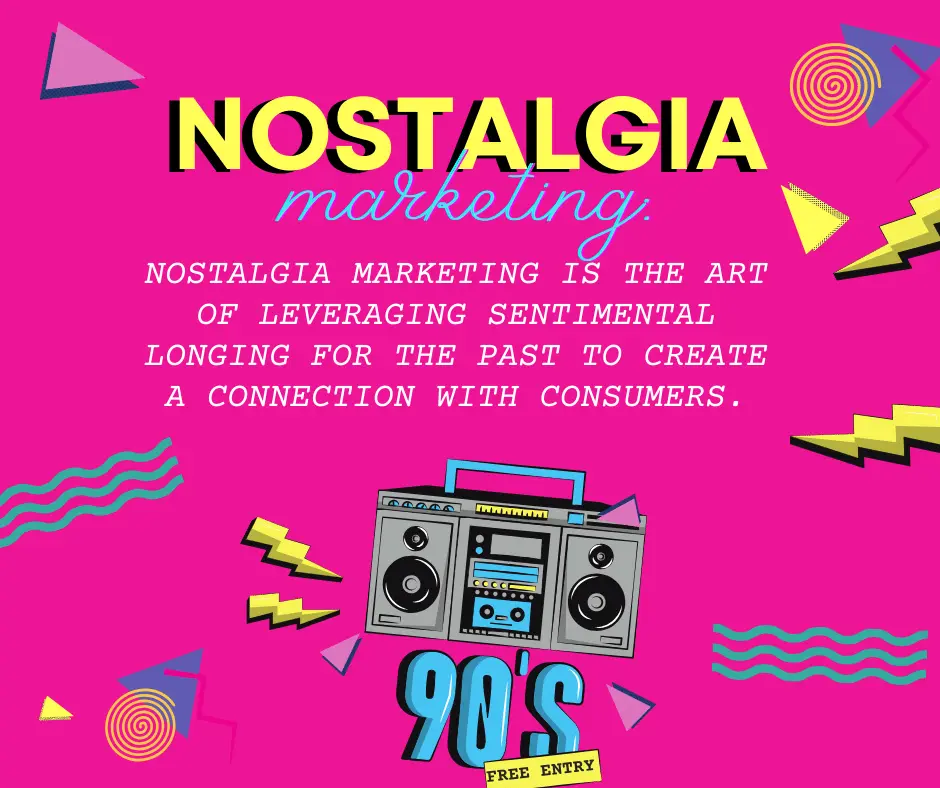
Social platforms also support this behavior. Algorithms promote content that creates strong emotional reactions. Familiar music, visuals, or styles quickly gain attention and engagement. As a result, nostalgia-driven content spreads faster and reaches wider audiences.
Another reason comes from younger audiences. Many enjoy styles from decades they never lived through. They like reinterpretation rather than accuracy. This behavior allows brands to reuse older ideas while keeping modern relevance.
How nostalgia-driven marketing creates emotional connection
Nostalgia-driven marketing works because emotions guide decision-making. When people feel connected to a memory, they feel connected to the brand showing it.
This strategy builds trust because familiarity reduces doubt. People trust what feels known. Nostalgia also creates shared experiences. When people comment, share, or talk about memories, communities form around brands.
Another key factor involves identity. Memories remind people who they were or wanted to be. Brands that reflect those feelings gain emotional loyalty that lasts longer than short-term attention.
Cultural moments that trigger nostalgia
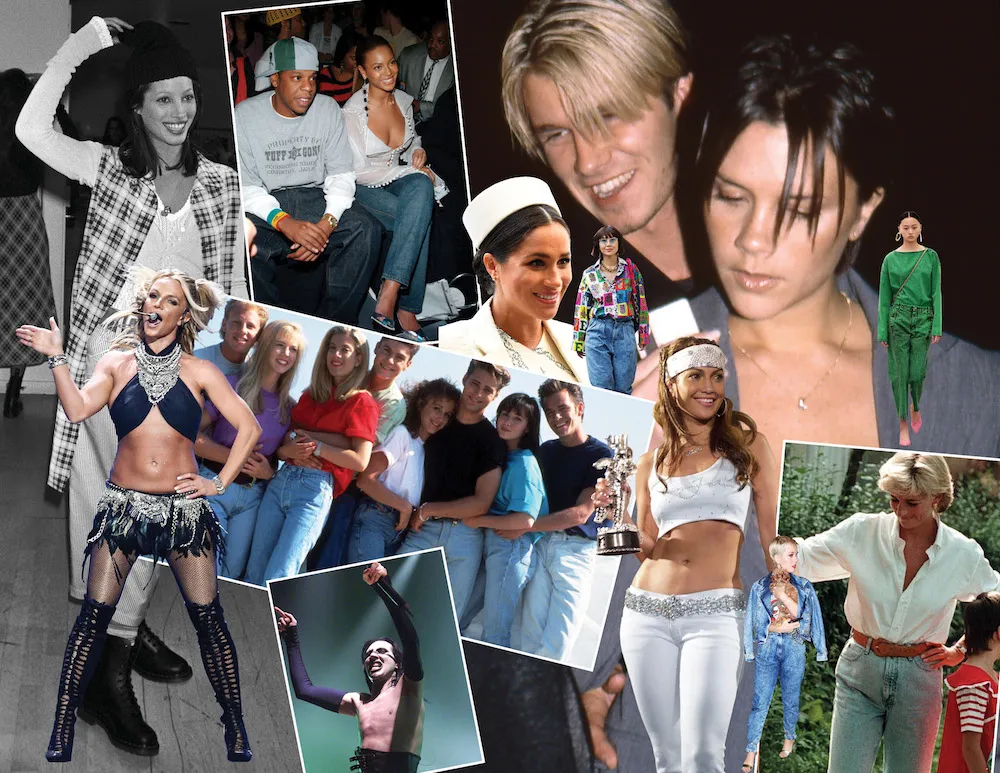
Certain events quickly bring past memories back into public attention. Music reunions, classic movie reboots, or popular fashion revivals act as strong triggers. When culture shifts toward a memory, brands that react carefully gain visibility without forcing relevance.
Anniversaries also play an important role. Product launches, brand milestones, or historical moments give brands a natural reason to reflect on their past. When handled respectfully, these moments feel meaningful rather than promotional.
These triggers work best when timing feels natural. Forced nostalgia often feels empty. Cultural awareness helps brands respond with authenticity.
Visual identity and nostalgia-driven marketing
Visual design plays a major role within nostalgia-driven marketing. Fonts, colors, layouts, and packaging often bring back familiar styles. Successful brands use their own design history rather than copying random retro looks.
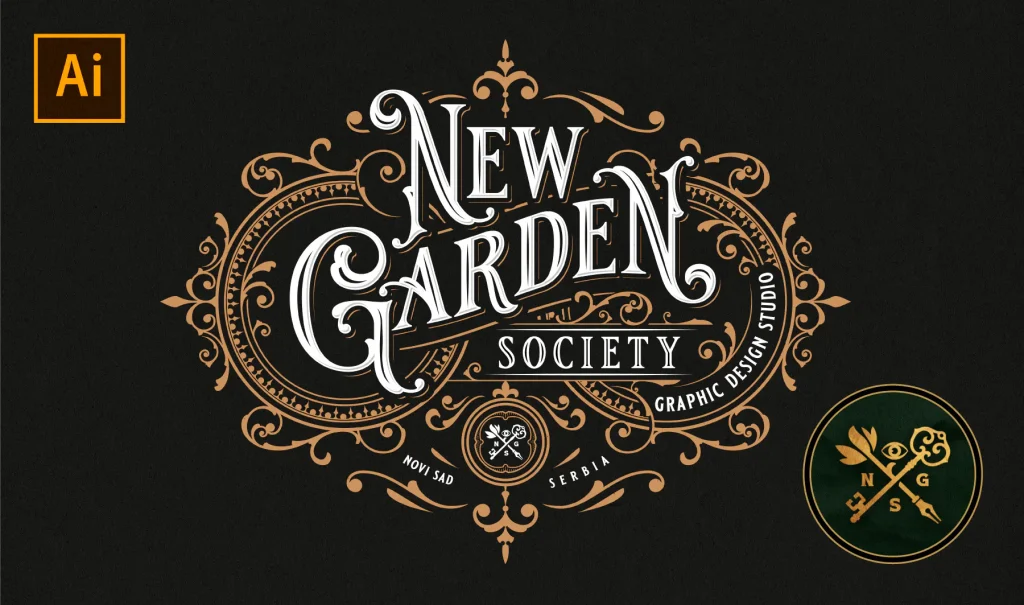
Heritage brands often perform well because they already hold authentic archives. Reusing past designs strengthens brand identity and credibility. Fast-fashion or lifestyle brands often adapt old styles quickly to meet current demand.
The key lies within balance. Visual nostalgia works best when old design elements blend with modern usability. This keeps the brand relevant while honoring its past.
Sound and audio as nostalgia triggers
Sound remains one of the strongest memory triggers. Music, tones, and audio effects instantly remind people of specific moments. Short audio clips often carry emotional meaning without explanation.
Brands use familiar music styles, remixed jingles, or classic sound effects to trigger recognition. Social video platforms make audio even more powerful because sound travels across trends quickly.
Audio nostalgia builds strong emotional reactions because sound connects directly to memory centers within the brain. When brands use sound carefully, recall improves significantly.
Product design and packaging using nostalgia
Nostalgia-driven marketing also appears through physical products. Limited-edition packaging, vintage color schemes, or classic logos help products feel familiar and valuable.
Short-term product releases often work well because they create urgency without long-term risk. Customers feel special when purchasing items tied to shared memories.
This approach also strengthens brand storytelling. Products become symbols of cultural history rather than simple objects.
Storytelling through nostalgia-driven marketing
Storytelling adds depth to nostalgia-driven marketing. Stories allow brands to share why certain memories matter. Long-form content such as documentaries, interviews, or brand history videos builds emotional trust.
Audiences appreciate honesty. Showing real people, original creators, or archived material increases credibility. These stories help brands feel human rather than corporate.
Nostalgia-driven storytelling works best when emotion stays central. Facts support the story, but feelings create impact.
Why nostalgia-driven marketing performs well
Several psychological factors explain why nostalgia-driven marketing performs consistently.
Familiarity lowers decision stress. People feel comfortable choosing what they recognize. Emotional comfort increases attention and retention. Shared memories strengthen community participation.
Nostalgia also simplifies complex messaging. Familiar visuals or sounds communicate meaning quickly without explanation. This efficiency helps brands stand out across crowded platforms.
Platform behavior and nostalgia-driven marketing
Different platforms support nostalgia differently.
Short-form video platforms favor reinterpretation. Old clips, familiar audio, and side-by-side comparisons perform well. Creativity and remix culture support fast spread.
Visual platforms perform well with aesthetic nostalgia. Filters, layouts, and mood-based visuals attract attention. Consistent visual identity improves brand recall.
Long-form video platforms support deep storytelling. Brand history, cultural analysis, and emotional narratives perform strongly. These formats build long-term authority.
Understanding platform behavior helps brands adapt nostalgia-driven marketing correctly.
How brands can use nostalgia authentically
Authenticity decides success or failure. Brands should rely on real archives, real stories, and real cultural connections. Generic decade references often fail because they lack emotional depth.
Specific cultural references work better than broad themes. Precision strengthens emotional impact. Collaboration also improves authenticity. Creators and communities help brands tell stories respectfully.
Modern execution remains important. Nostalgia should feel refreshed, not copied. Emotional care also matters. Memories affect different audiences differently. Sensitivity improves inclusivity.
Finally, nostalgia must connect to action. Emotional connection should guide people toward meaningful engagement such as content interaction, product experience, or community participation.
Questions marketers should ask before using nostalgia-driven marketing
Clear thinking prevents mistakes. Marketers should ask which memory the brand references and why. Ownership and permission matter. Cultural respect builds trust.
Platform adaptation matters. Assets should support remixing and sharing. Measurement should focus on community response rather than views alone.
Long-term storytelling matters. One nostalgic moment should support future brand direction rather than exist alone.
The future of nostalgia-driven marketing
Nostalgia-driven marketing continues to evolve. Smaller cultural references gain importance. Technology helps remix archives creatively. Collaboration becomes more common.
Some brands create new products that feel old even without history. This behavior shows nostalgia works beyond literal memory. Multi-era blending also increases, mixing different decades into one experience.
Nostalgia-driven marketing does not move brands backward. It strengthens emotional relevance while supporting modern goals.
Final thoughts
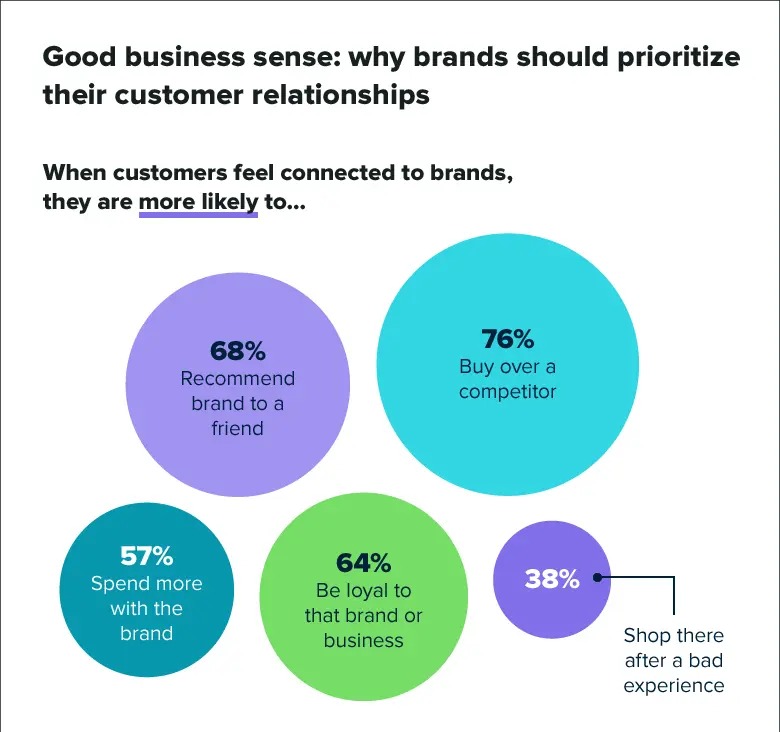
Nostalgia-driven marketing builds trust, emotional connection, and long-term loyalty. Familiar memories help people feel safe and understood. Brands that respect culture and emotion gain deeper relationships with audiences.
Careful execution, authenticity, and emotional awareness define success. When brands connect past meaning with present relevance, nostalgia becomes a powerful communication tool rather than a trend.
FAQs: Nostalgia-Driven Marketing
What is nostalgia-driven marketing?
Nostalgia-driven marketing is a strategy where brands use familiar memories, past experiences, or cultural moments to connect emotionally with audiences. This method helps brands build trust by showing things people already know and value.
Why do brands use nostalgia-driven marketing?
Brands use nostalgia-driven marketing because people feel safe and comfortable with familiar memories. This emotional comfort helps brands gain attention, improve engagement, and build long-term customer loyalty.
How does nostalgia-driven marketing help audience connection?
Nostalgia-driven marketing helps audience connection by reminding people of shared memories. When people relate emotionally, they feel closer to the brand and trust it more.
Does nostalgia-driven marketing work for digital platforms?
Yes, nostalgia-driven marketing works well across digital platforms. Visual content, familiar sounds, and past cultural references perform strongly on social media, video platforms, and content marketing channels.
Which industries benefit most from nostalgia-driven marketing?
Industries such as fashion, entertainment, food, lifestyle, retail, and digital marketing benefit most from nostalgia-driven marketing because memories play a strong role within buying decisions.
Is nostalgia-driven marketing effective for younger audiences?
Yes, nostalgia-driven marketing also appeals to younger audiences. Many younger users enjoy past styles, music, and visuals even if they did not live through that time. They value reinterpretation rather than exact history.
How can brands use nostalgia-driven marketing authentically?
Brands can use nostalgia-driven marketing authentically by relying on real brand history, cultural accuracy, and genuine emotional moments. Specific memories work better than broad or generic themes.
Can nostalgia-driven marketing improve brand trust?
Yes, nostalgia-driven marketing improves brand trust because familiarity reduces doubt. When people recognize something familiar, they feel more confident engaging with the brand.
What role does storytelling play in nostalgia-driven marketing?
Storytelling helps nostalgia-driven marketing feel meaningful. Stories explain why memories matter and help audiences emotionally relate to the brand rather than just noticing visuals or sounds.
Does nostalgia-driven marketing support long-term growth?
Yes, nostalgia-driven marketing supports long-term growth by building emotional loyalty. Brands that connect emotionally often retain audiences longer and achieve better lifetime value.